


Upcoming ECHO Community Meet-Up
Toward Social Justice in AI
This afternoon brings together ECHO ambassadors from various sectors—policy, education, business, community organizing, etc.—to explore current developments in AI, what this means for social justice, and what people like us can actually do about it.
The program features speakers who will guide us through the most important developments and challenges in AI, followed by collaborative sessions to develop concrete approaches for your field, organization, and personal practice.
Whether you work in tech or not, these systems are already affecting your work and your lives. Come to learn, come to contribute, or simply to understand what’s at stake.
For whom? All ECHO Ambassadors
When? Tuesday , May 26, 2026, 1:00 p.m.–5:00 p.m.
Where? Creative Valley in Utrecht (next to Central Station)
Can’t make it? Unfortunately, we are unable to offer any hybrid options this time. However, we plan to record the keynote and panel discussion for distribution. We also hope to continue this conversation and organize more events, so stay tuned.
Questions? Contact Vicky Pinheiro Keulers, vicky@echo-net.nl
PROGRAM
1:00 PM – 1:30 PM Walk-in
1:30 PM – 2:00 PM Opening & keynote by Khaled Tamimy
2:00 PM – 2:45 PM Panel discussion with Ajuna Soerjadi, Anass Koudiss, Paul Lodder, Rana Kuseyri
2:45 PM – 3:00 PM Break
3:00 PM – 4:30 PM Collaborative working sessions
4:30 PM – 5:00 PM Closing
AI is shaping our lives, but who gets to shape AI?
AI is developing faster than any of us can keep up with. We are living through a transition: one that is reshaping work, education, welfare, and public life at a speed and scale that few historical shifts can match. The question is no longer what we can build. It’s what we should build, who gets to decide that, and how we ensure that this transition is a just one.
Right now, those decisions are being made by a handful of tech companies. Most of the people affected have no say in the matter.
But that’s only half the story. AI isn’t just limited to Silicon Valley. It’s found in hiring tools, in classrooms, in welfare systems, and in the organizations you’re part of. The choices made there—by people like you—shape what this transition actually looks like in practice.
What does a socially just AI transition look like? And how can community organizers, policymakers, educators, entrepreneurs, business leaders, and other stakeholders help make this happen?
To answer this question, ECHO Center for Diversity Policy and Social Technology Lab (STL) are bringing together ECHO ambassadors for an afternoon of reflection and brainstorming. But this is just the beginning of a longer-term effort. ECHO and STL are building a community of people who refuse to stand on the sidelines while AI reshapes the systems they’ve spent years fighting to improve. This first session lays the groundwork.
The afternoon begins with presentations on the current state of AI and what a just transition requires of us. From there, we’ll move on to collaborative working sessions to explore concrete approaches: in your field, in your organization, and in your work.
Whether you work in tech, in a completely different field, or are still a student: this is already affecting your work and your life. And your voice is missing from the conversation. Come and join us!
Confirmed speakers
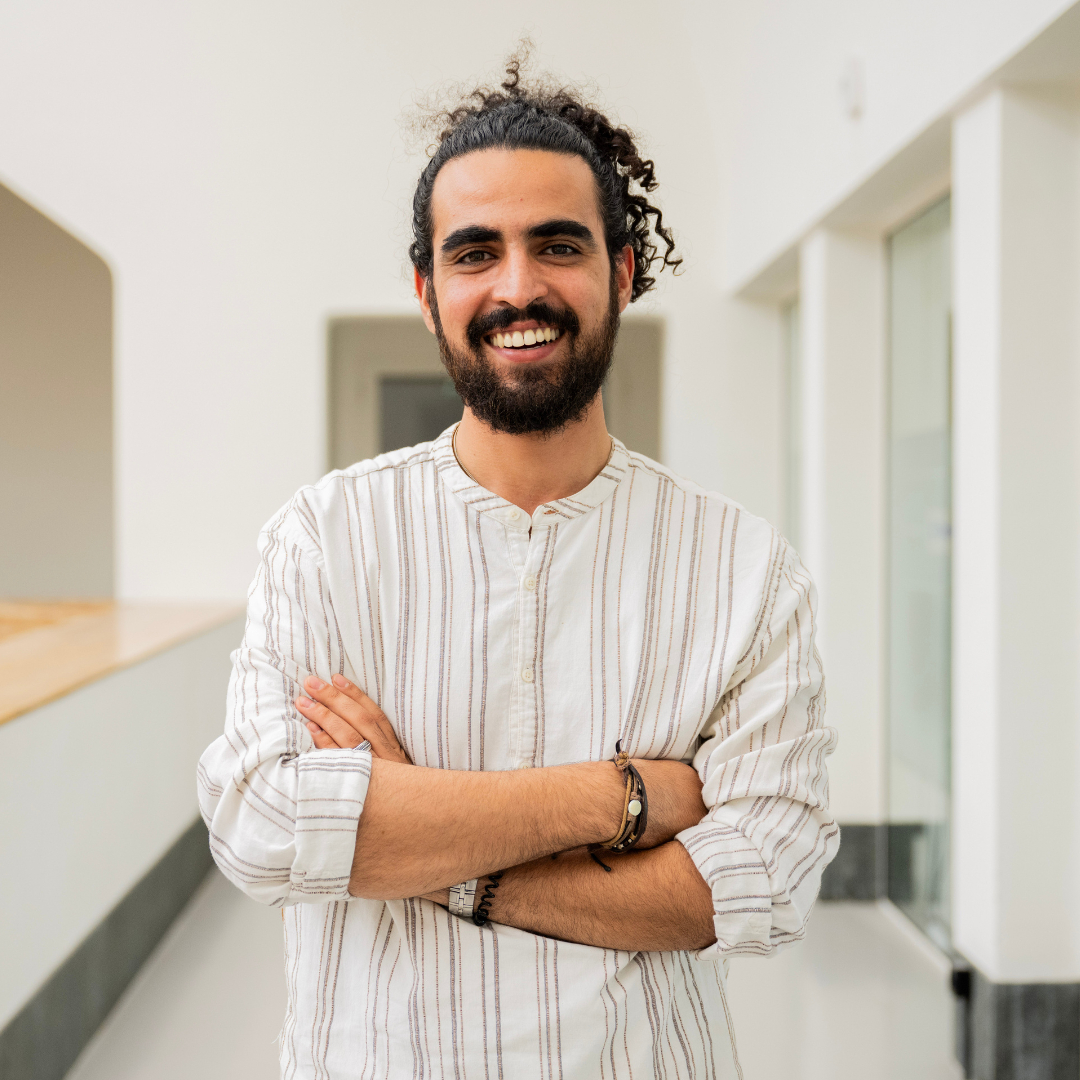
Khaled Tamimy
Social Technology Lab
Khaled Tamimy is a mathematician, technologist, and founder of Social Technology Lab, working at the intersection of AI, data, and social impact. He leads an interdisciplinary team that helps organizations navigate complexity, adopt innovation responsibly, and use technology for the public good. With a background in mathematics and computational physics, and nearly a decade of experience in strategic governance, policy, and social entrepreneurship, Khaled brings a distinctive “mathematician’s perspective” to technology and strategy. As a speaker, he translates complex ideas into practical, actionable insights, with a strong focus on ethical, inclusive, and real-world applications of AI.
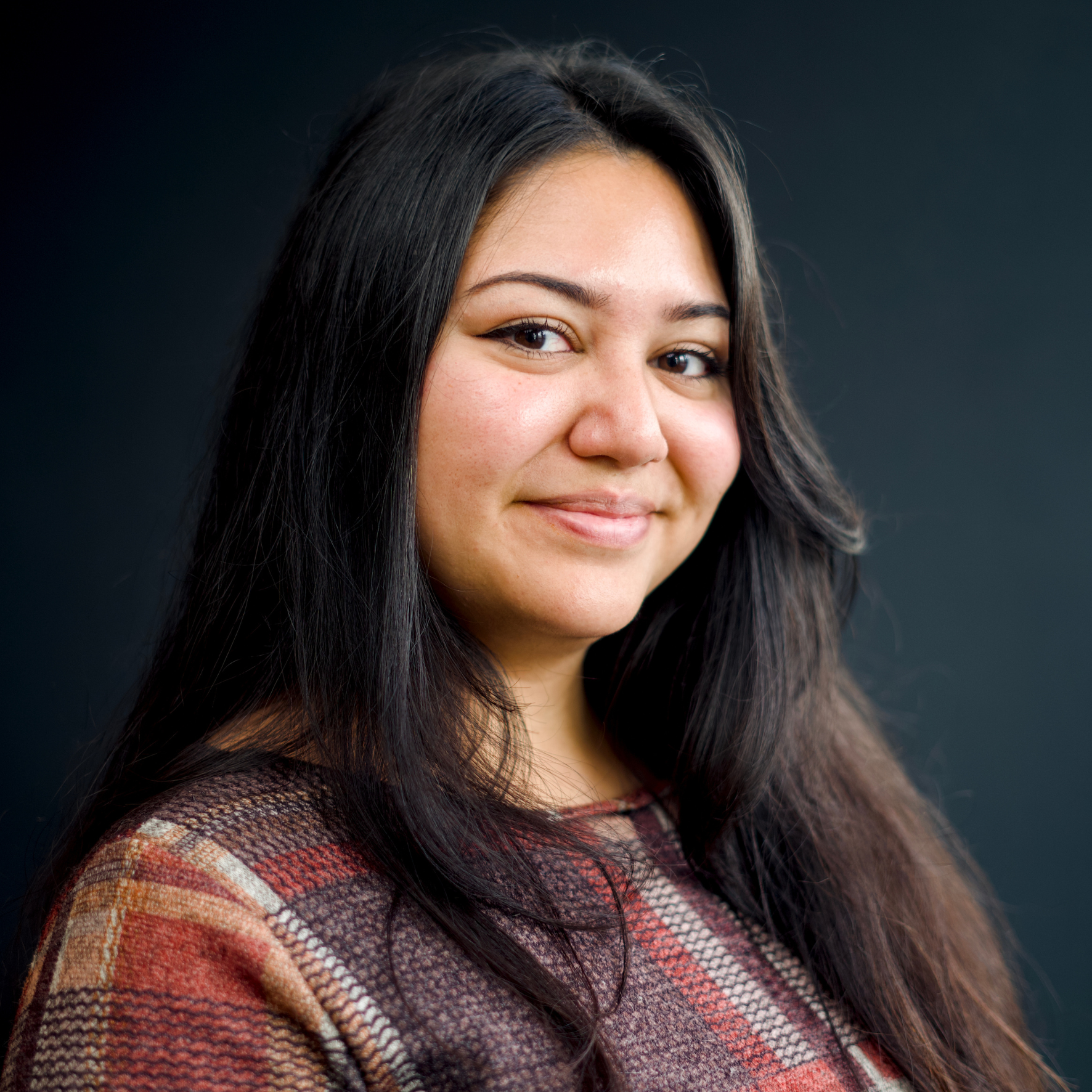
Ajuna Soerjadi
Center of Expertise in Data Ethics
Ajuna Soerjadi studied philosophy and specialized in AI ethics. She is the founder of the Expertise Center for Data Ethics, a training institute that helps organizations deploy AI responsibly. She has served as a researcher on risk profiling, algorithms, and discrimination at the State Commission against Discrimination and Racism, and as a data protection officer. She was elected the first Young Thinker of the Fatherland, won the Responsible AI Award in 2024, and was named one of the 100 Brilliant Women in AI Ethics worldwide in 2025. She captivates her audience with stories that are as inspiring as they are thought-provoking, cutting through the AI hype so that we can build a future where everyone feels at home.
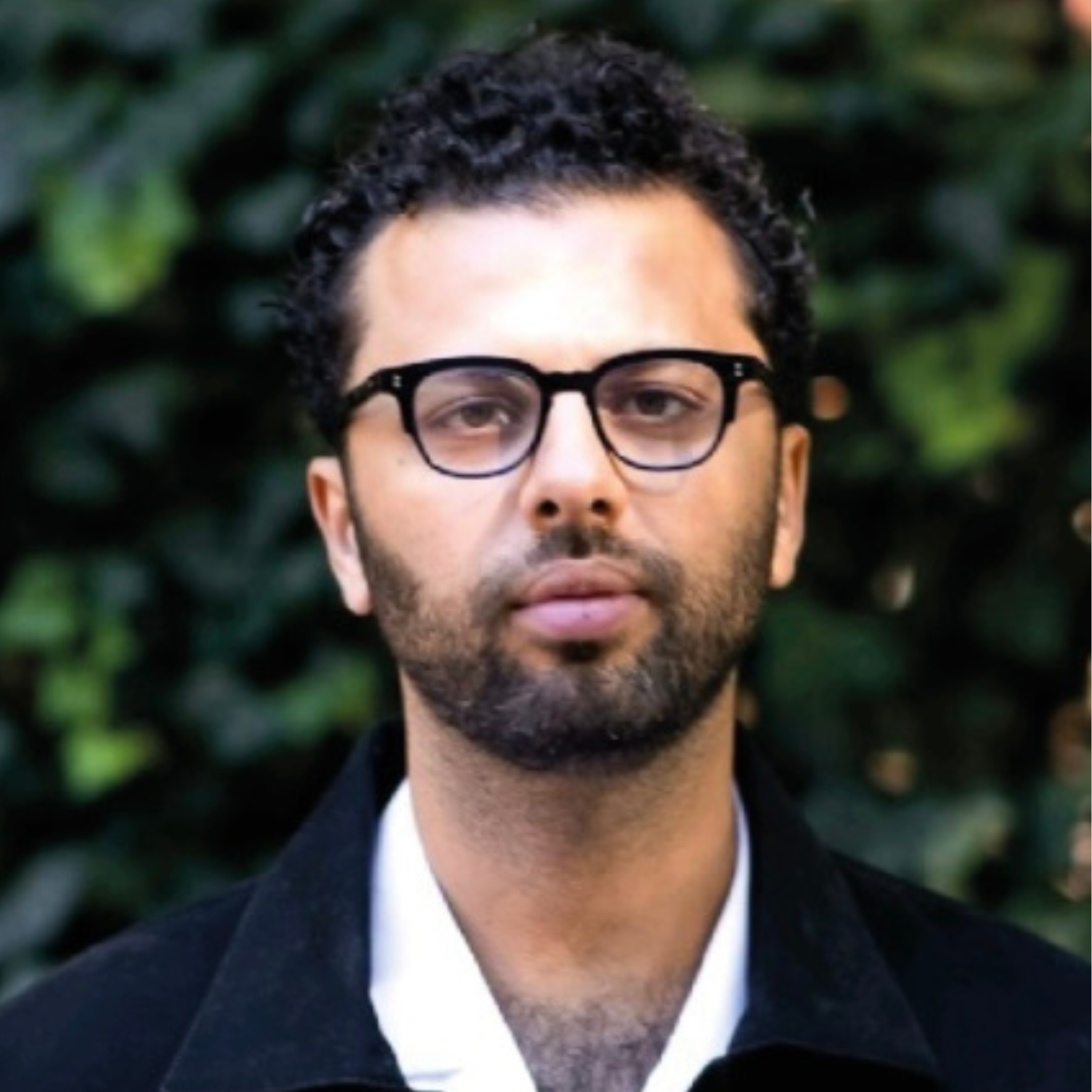
Anass Koudiss
PILP Foundation, Report Islamophobia Foundation
Anass Koudiss is the Director of Business and Operations at Stichting PILP, a member of the Executive Board at Stichting Meld Islamofobie, and an AI ethics enthusiast. He left behind his career of more than 15 years in Big Tech to work on issues that truly matter. Thanks to his time in Big Tech, he understands how these companies promote AI to governments, the media, and the general public, and how critical it is to distinguish between AI hype and harm.

Paul Lodder
Social Technology Lab

Rana Kuseyri
Inclusive AI Lab, Utrecht University
Rana Kuseyri is a Responsible AI researcher at the Inclusive AI Lab and a Ph.D. candidate in the Department of Media and Culture Studies at Utrecht University. Her Ph.D. research examines the everyday experiences of welfare recipients navigating an increasingly digital and automated welfare system in Rotterdam, the Netherlands. As a member of the Inclusive AI Lab, she is committed to developing inclusive and sustainable AI data, tools, services, and platforms. Rana previously studied Dutch and international law, specializing in anti-discrimination law and legal mobilization, and has worked with organizations such as Stichting Je Goed Recht, Stichting PILP, and Systemic Justice.